
The Annual Home Maintenance Plan: How Preventive Care Protects Your Home

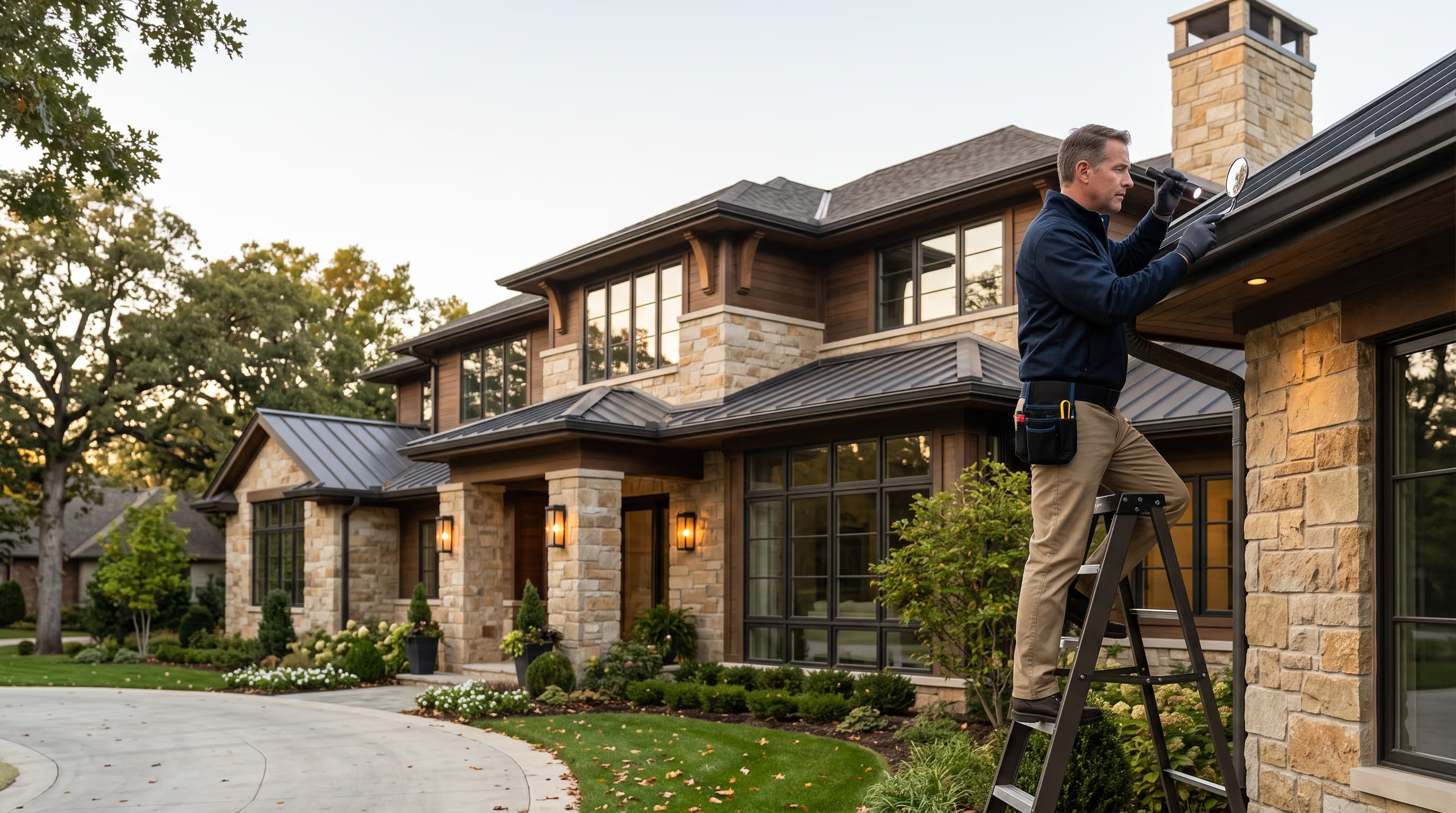
Major home repairs rarely happen at a convenient time. A failed furnace during a cold week, water entering through a roof, or a hidden plumbing leak can quickly disrupt daily life and create expenses that might have been reduced—or avoided—with earlier attention.
Preventive home maintenance is not about constantly finding new projects. It is a practical system for inspecting the parts of your home that wear down, identifying small problems before they spread, and scheduling qualified service before an emergency controls the timeline.
For homeowners with larger, older, custom, or highly finished properties, a maintenance plan can be particularly valuable. More square footage, specialized materials, mature landscaping, and integrated mechanical systems can create additional maintenance requirements.
The following seasonal framework can help you protect your home while making maintenance easier to manage.
Spring: Inspect for Winter Damage
Spring is the time to evaluate how the exterior of your home performed through snow, ice, wind, and repeated freeze-and-thaw cycles.
Begin with the roof and drainage system. From the ground, look for missing or damaged shingles, displaced flashing, sagging gutters, loose downspouts, or water stains beneath roof edges.
Gutters and downspouts should direct water away from the foundation rather than allowing it to collect near the home.
Walk the property and inspect:
- Siding and exterior trim
- Masonry and foundation surfaces
- Patios and walkways
- Retaining walls
- Driveways and paved areas
- Windows and exterior doors
Cracks may widen during the winter, while snow removal equipment can damage stone, curbing, lawn edges, and plantings.
Check windows and doors for failed caulk, damaged screens, and signs of moisture.
Spring is also an appropriate time to service air-conditioning equipment before the first period of hot weather. A professional HVAC inspection can identify restricted airflow, worn components, drainage issues, or other concerns while appointments are still easier to schedule.
Inside, inspect basements, crawlspaces, attics, and utility rooms for water, staining, unusual odors, or visible mold. Moisture problems are easier to solve when the source is identified early.
Summer: Focus on Exterior Performance
Summer generally provides favorable conditions for exterior repairs, painting, masonry, roofing, deck work, and landscaping improvements.
Trees and large shrubs should be assessed for dead limbs, storm damage, or growth that contacts the roof or siding. Vegetation can trap moisture, obstruct airflow, and give pests a route into the structure.
An experienced arborist can identify hazardous limbs and recommend pruning that protects both the tree and your property.
Inspect decks, porches, stairs, railings, fences, and gates. Look for:
- Loose fasteners
- Soft or damaged wood
- Unstable posts
- Peeling finishes
- Movement at connection points
- Deteriorating steps or railings
These are not merely cosmetic concerns. They can develop into safety issues when they are not corrected.
Summer is also a good time to evaluate irrigation and drainage. Watch the property during a period of heavy rain.
Water should move away from the foundation without washing out planting beds, pooling on hardscapes, or entering low areas near the home. If drainage is poor, a landscaper, gutter specialist, or drainage contractor can help identify the correct solution.
Because warm-weather contractors often book in advance, begin planning non-emergency projects early.
Fall: Prepare Systems for Colder Weather
Fall maintenance should prioritize heating, weather protection, and water management.
Schedule heating-system service before temperatures drop. The provider should inspect and test the equipment, review safety controls, replace or clean appropriate filters, and identify components showing signs of wear.
Homes with boilers, radiant systems, standby generators, fireplaces, multiple zones, or integrated controls may require more specialized service.
Clean gutters after leaves have fallen and confirm that downspouts remain securely connected. Inspect the roof again after summer storms, paying particular attention to flashing, chimneys, penetrations, and low-slope areas.
Exterior faucets and irrigation systems should be winterized as needed. Garden hoses should be disconnected, and vulnerable plumbing should be protected from freezing.
Check weatherstripping around exterior doors and examine windows for drafts or failed seals.
Fall is also a good time to:
- Test smoke alarms
- Test carbon monoxide alarms
- Review fire extinguisher expiration dates
- Confirm that exterior lighting is working
- Inspect handrails and walkways
- Review generator operation
- Locate the main water shutoff
Everyone in the household should know how to shut off the water and contact the appropriate service provider during an emergency.
Winter: Monitor the Home From Inside
Winter limits some exterior work, but it can reveal performance problems that are less obvious during other seasons.
Notice rooms that remain unusually cold, windows that develop excessive condensation, recurring ice dams, drafts around exterior doors, or sharp changes in energy use.
These symptoms may indicate insulation gaps, air leakage, ventilation problems, or mechanical-system issues.
Inspect under sinks, around toilets, near appliances, and inside mechanical rooms for slow leaks. Look at ceilings beneath bathrooms and roof areas for discoloration.
A small stain should be investigated before it becomes a larger repair.
Winter is also useful for planning. Review the projects you observed during the year, determine which ones require professional evaluation, and begin contacting providers before the spring scheduling rush.
Create a Home Maintenance Record
A useful maintenance plan includes documentation.
Keep a digital record of:
- Inspection dates
- Service reports
- Warranties
- Equipment model numbers
- Paint colors
- Material specifications
- Project photographs
- Contractor contact information
This record helps service providers understand the history of the property and can prevent repeated diagnostic work. It may also be valuable when planning renovations, filing an insurance claim, or preparing to sell the home.
For recurring services, create calendar reminders based on the needs of your specific property rather than relying only on a generic checklist.
HVAC filters, water-treatment equipment, generators, fireplaces, pools, septic systems, elevators, and smart-home systems may all require different service schedules.
Know When a Task Requires a Professional
Homeowners can safely complete many visual inspections and basic maintenance tasks. However, work involving electricity, natural gas, structural conditions, roofing, major tree removal, hazardous materials, or complex mechanical equipment should be handled by qualified professionals.
The right provider brings more than labor.
Experienced contractors can identify underlying causes, recommend appropriate materials, follow applicable code requirements, protect warranties, and coordinate their work with other systems in the home.
Using an unqualified provider may save money initially but can create secondary damage, safety risks, failed inspections, or repeated repairs.
Build a Reliable Service Network Before an Emergency
The worst time to begin searching for a plumber, electrician, HVAC contractor, or roofer is often during an active emergency.
Urgency limits your ability to compare qualifications, review proposals, and wait for the provider you would normally prefer.
Homeowners Preferred is intended to help homeowners build a more dependable service network before that pressure exists. The directory highlights established local professionals selected for their experience, reputation, and demonstrated work quality.
Preventive maintenance works best when it is consistent. Inspect your property seasonally, document what you find, address small concerns promptly, and rely on qualified providers for specialized work.
That routine can reduce surprises, extend the life of major systems, and preserve the comfort, safety, and value of your home.